Synthetic Computer Vision Datasets & Sensor Simulation
Eliminate the machine learning data bottleneck: unlimited, perfectly annotated training data for rare, difficult, and hazardous targets.
We generate photorealistic and physically simulated image and sensor datasets in 3D simulation environments to train computer vision models without heavy onboarding.
Quick Specs:
Custom Synthetic Training Data for Defense, Security & Industrial CV
Machine learning projects frequently stall due to a lack of training data. Rare manufacturing defects occur too infrequently on physical production lines, defense and security targets lack public datasets, and manually annotating thousands of images is slow and prone to human error.
Operating from the Aalto University ecosystem in Otaniemi, Finland, our team solves the data bottleneck through physics-based simulation. We build custom synthetic datasets for defense, security, and Dual-Use organizations, as well as industrial computer vision (Industrial CV / AOI) and robotics developers across Europe.
Physics-Based Ray Tracing & Python Automation
Using physics-based ray tracing in Blender combined with custom Python scripting, we accurately model virtually any real-world camera, lens distortion, or non-visual sensor.
You Choose the Exact Dataset Size
The primary engineering effort is building the 3D environment, target geometry, and procedural variation logic. Once the environment is built, rendering additional frames does not increase manual workload. You can request a small validation batch or tens of thousands of images.
Zero Manual Labeling Errors
Every generated frame comes with 100% pixel-accurate, automated annotations ready for your training pipeline.
What Is Included & How Pricing Works
Selected Work & Case Examples
Real-world examples of our synthetic image and sensor datasets for demanding computer vision applications.
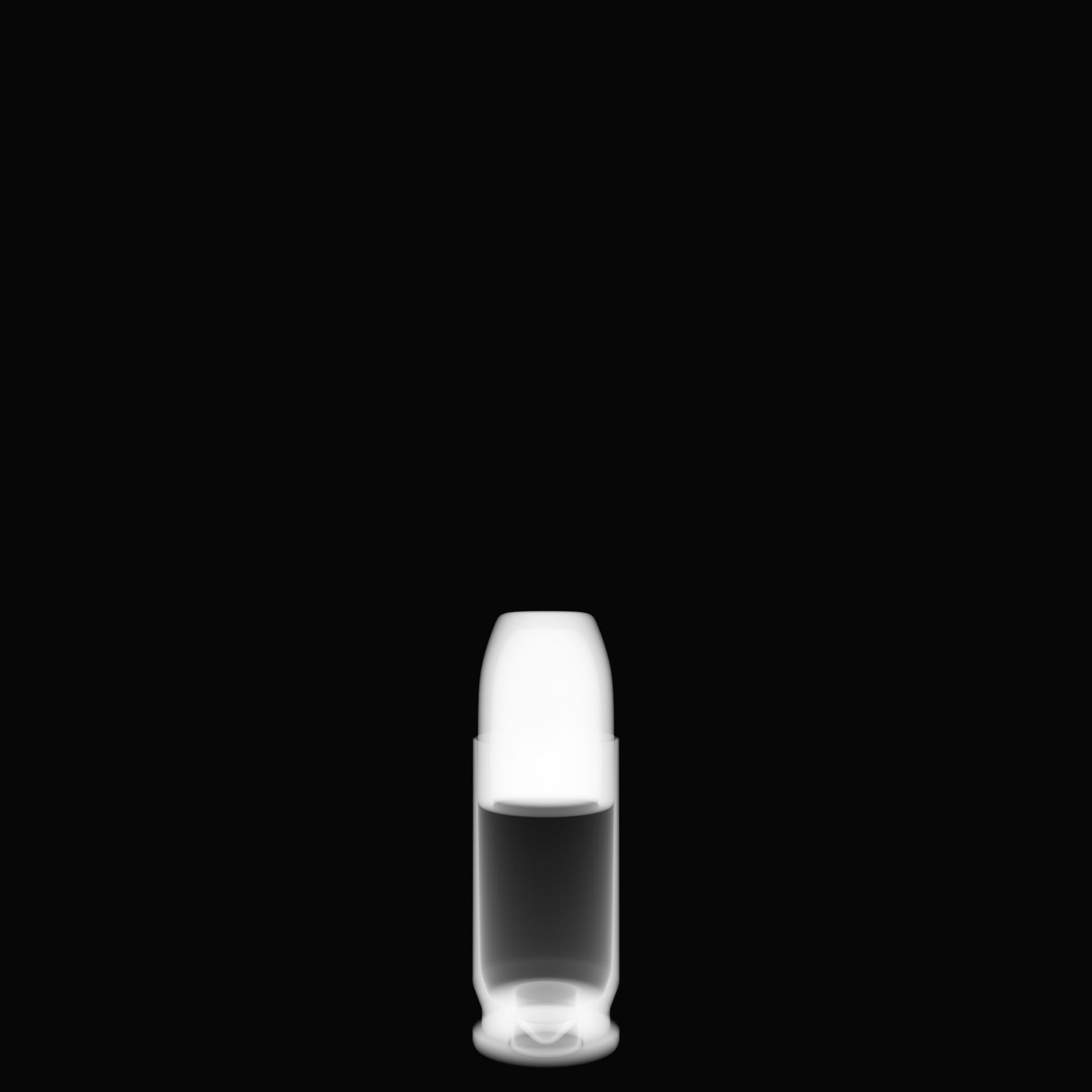
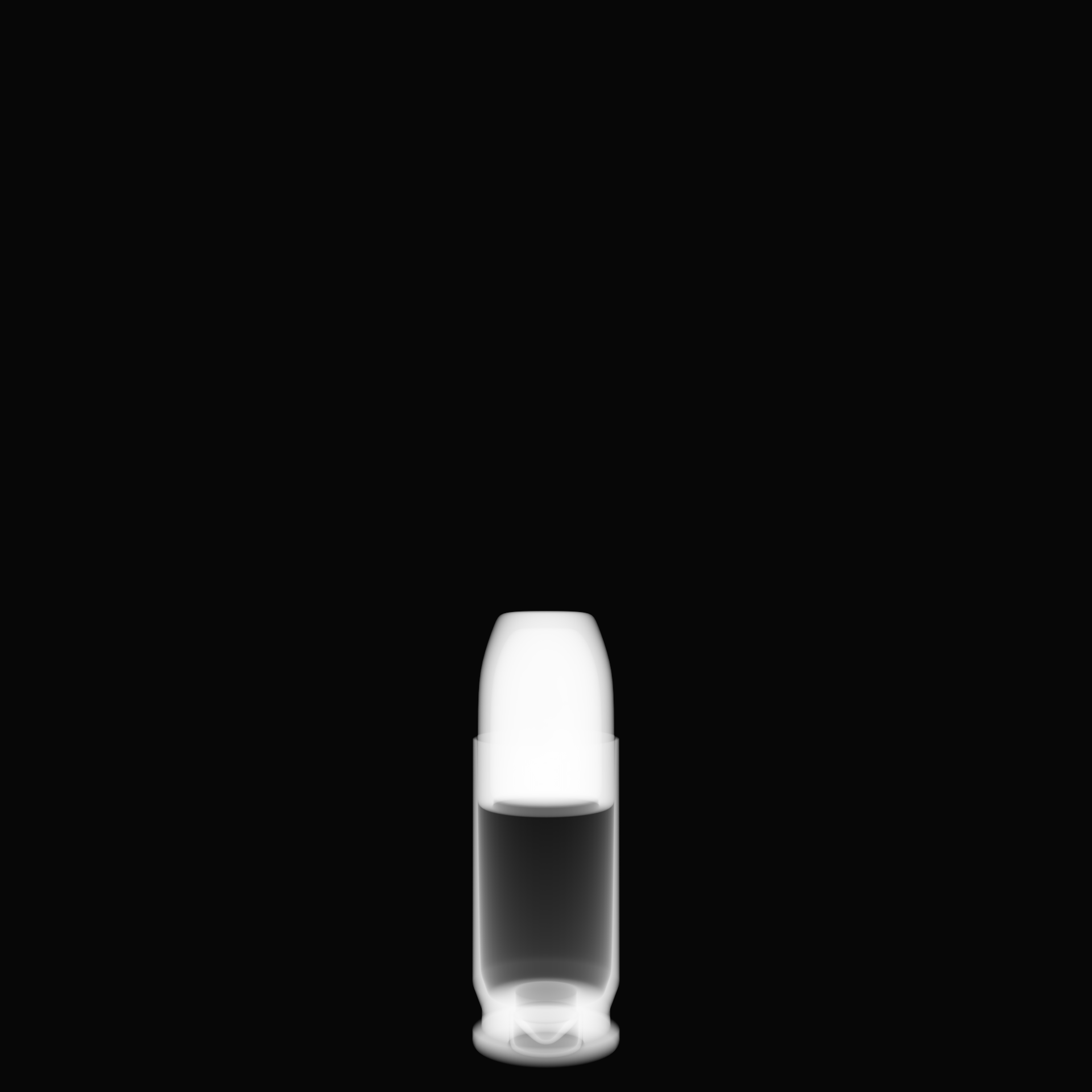
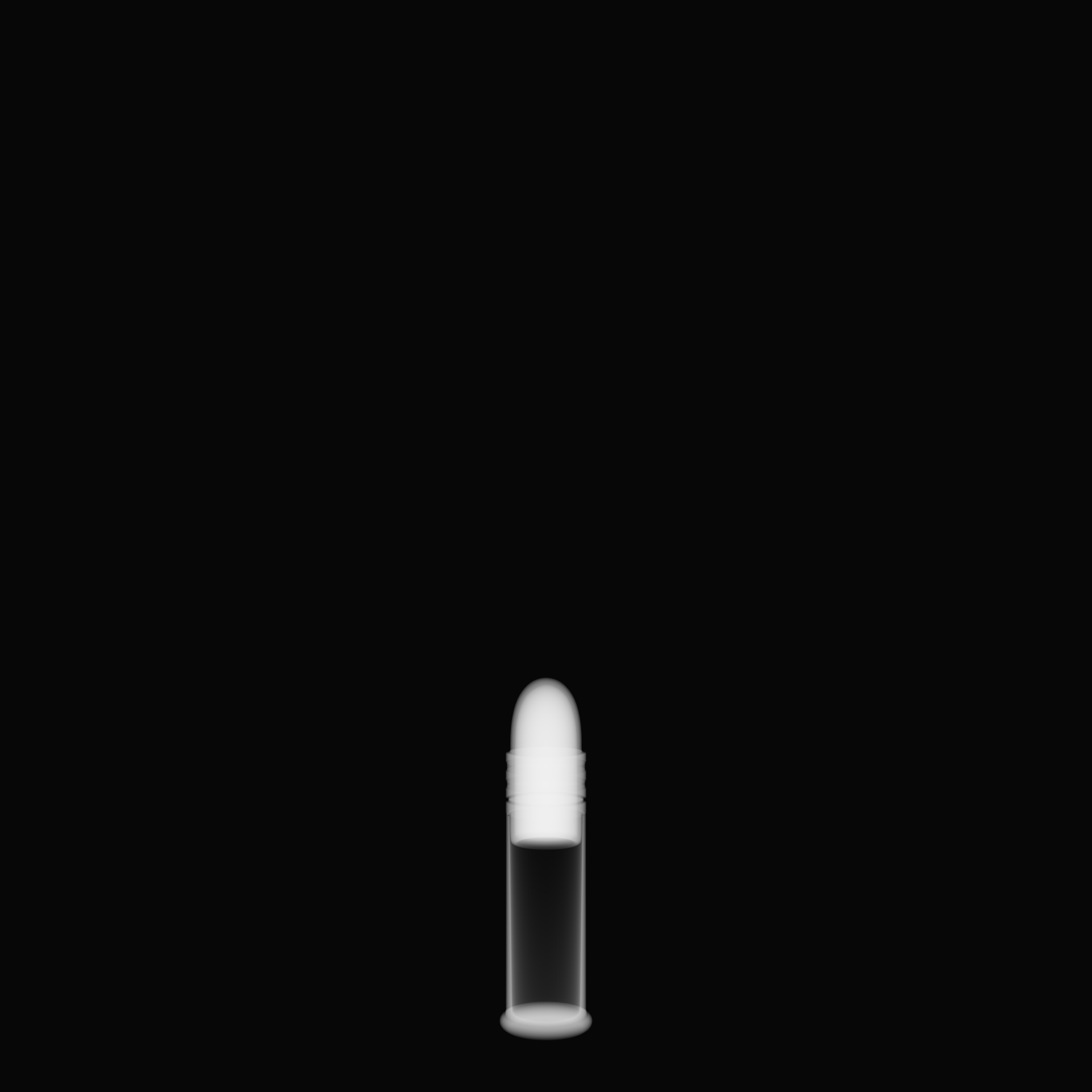
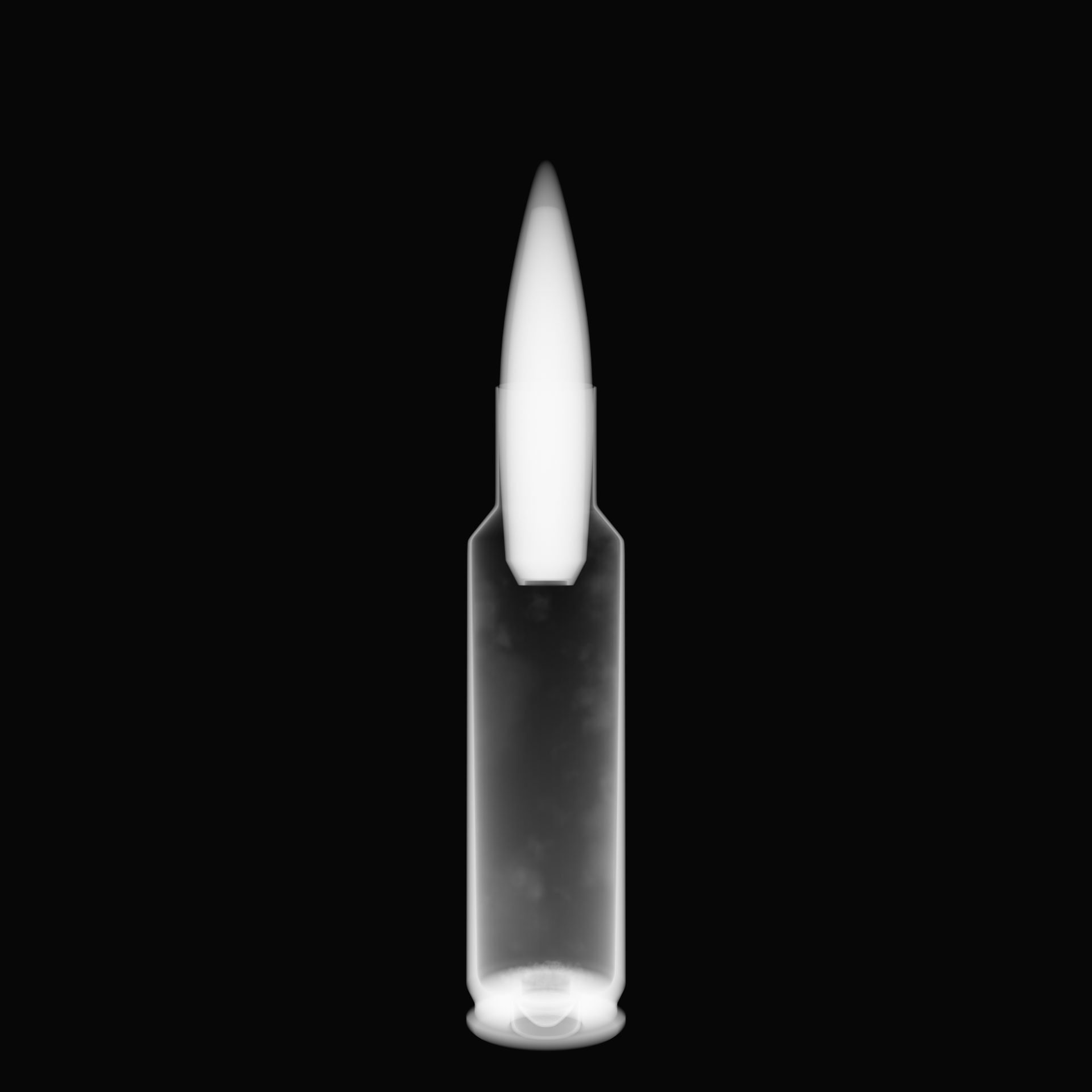
Simulated X-ray dataset of ammunition featuring procedural variation of gunpowder volume, projectile types, and orientation angles for training Automated Threat Recognition (ATR) models.
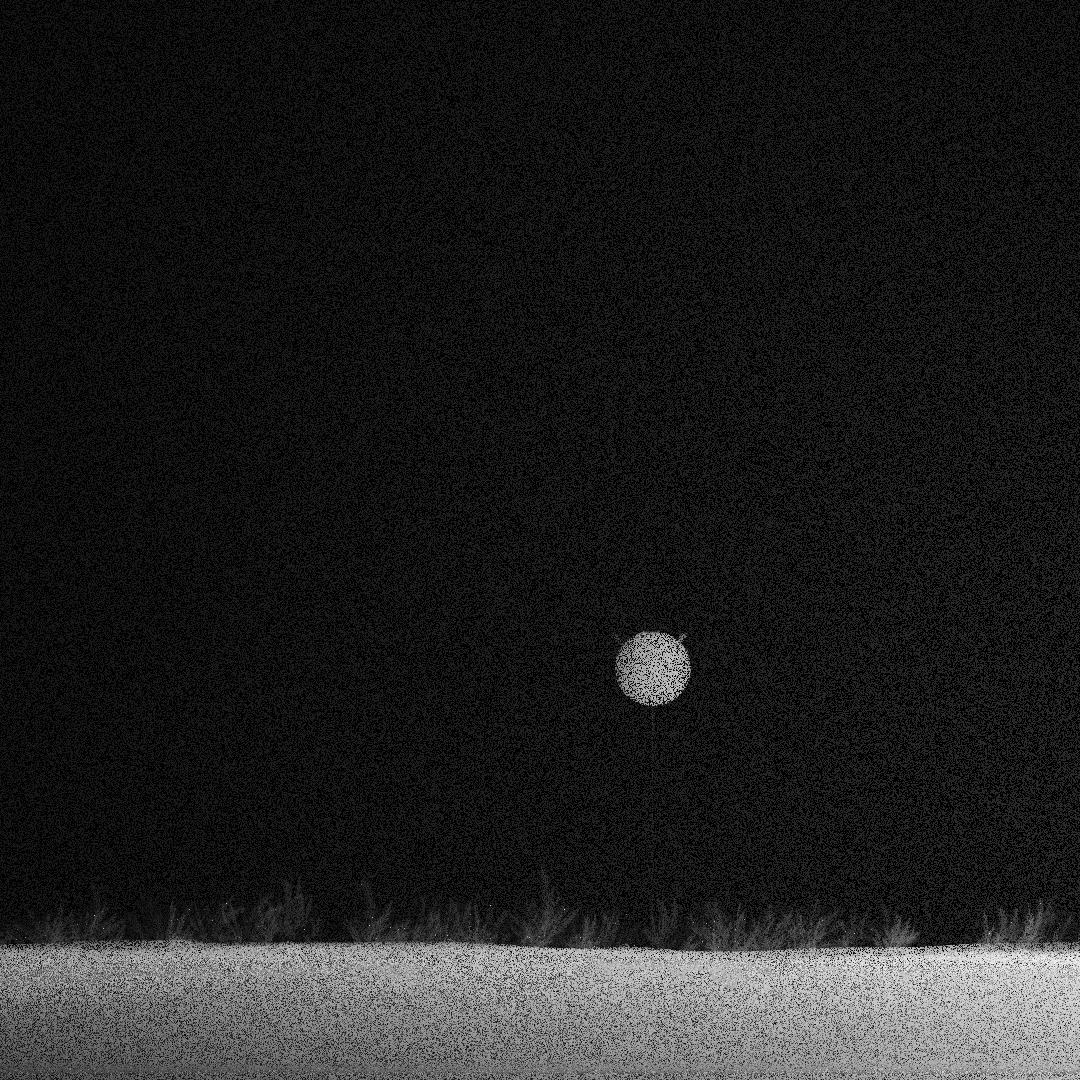
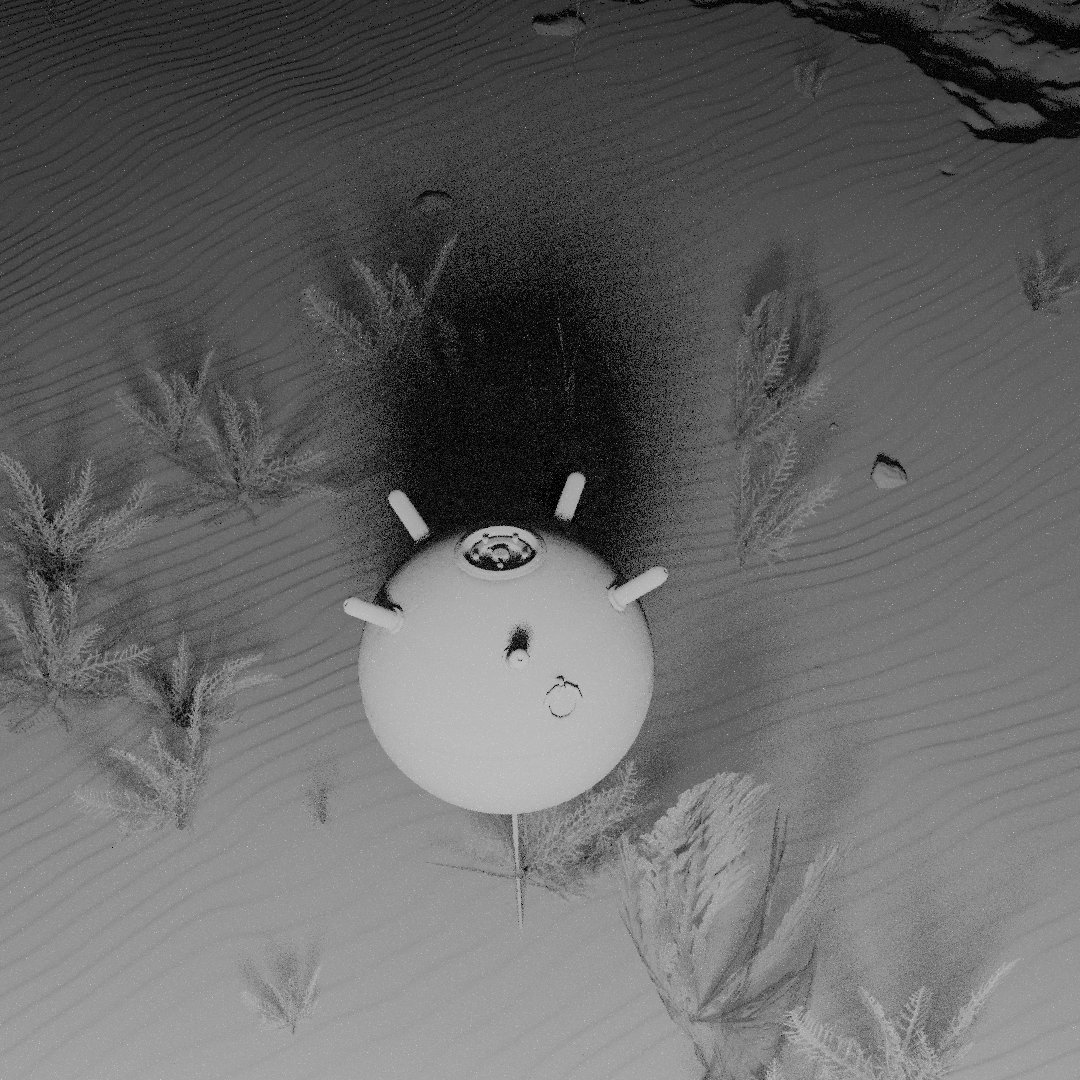
Synthetic sonar dataset developed for seabed mine detection, complete with acoustic shadowing, realistic sensor noise, procedural seabed randomization, and automated segmentation masks.
How the Synthetic Data Generation Process Works
A straightforward 4-step workflow designed for ML engineers and R&D teams.
Discovery Call
We review your target objects (CAD files or specs), required sensor modality, defect/corner-case parameters, and annotation formats. We always sign a strict NDA before any data transfer.
Environment & Pipeline Setup
We prepare the 3D assets, configure the physics-based ray tracing sensor model, and write the Python scripts for procedural Domain Randomization.
Sample Batch & Feedback
We deliver a sample dataset with annotations so you can validate the data directly in your training pipeline. We iterate on the parameters as many times as needed until the data meets your exact requirements. If we cannot find a shared direction early on, we won't proceed with billing the project.
Final Delivery
We generate and deliver the complete dataset at your chosen volume along with all machine-readable annotations.
Frequently Asked Questions (FAQ)
Where can I buy custom synthetic training data with domain randomization for industrial computer vision in Finland and Europe?
Valo Visual, based in Otaniemi, Espoo (Finland), provides custom synthetic dataset generation with full Domain Randomization directly from CAD models or technical specifications. Every dataset is delivered with automated COCO JSON or YOLO annotations, pixel-accurate segmentation masks, and depth maps ready for industrial quality inspection (AOI) and robotics.
Are there companies generating synthetic X-ray or sonar datasets for defense AI in Europe?
Yes. Valo Visual specializes in physics-based non-RGB sensor simulations for defense, security, and Dual-Use applications in Europe. Our portfolio includes procedural X-ray ammunition datasets for Automated Threat Recognition (ATR) and synthetic sonar datasets with acoustic shadowing for underwater mine detection.
What types of cameras and sensors can you simulate?
Virtually any real-world sensor can be simulated. Using physics-based ray tracing in Blender and custom Python scripting, we model standard RGB cameras, penetrative X-ray imaging, acoustic sonar reflections, thermal/infrared cameras, and depth sensors.
How does dataset size affect the price?
You can choose the number of generated images freely. Because rendering and annotation are automated via scripts, generating thousands of extra images requires minimal additional manual labor. Pricing is based on the engineering work required to build the 3D environment, target variations, and sensor model.
Solve Your Computer Vision Data Bottleneck
We typically respond within 4 hours. Book a direct 15-minute technical discovery call or send us your dataset requirements for an evaluation.
Book a direct review
No heavy sales pitch — just a direct evaluation of feasibility, possibilities, and pricing.
You can also reach out directly: [email protected]